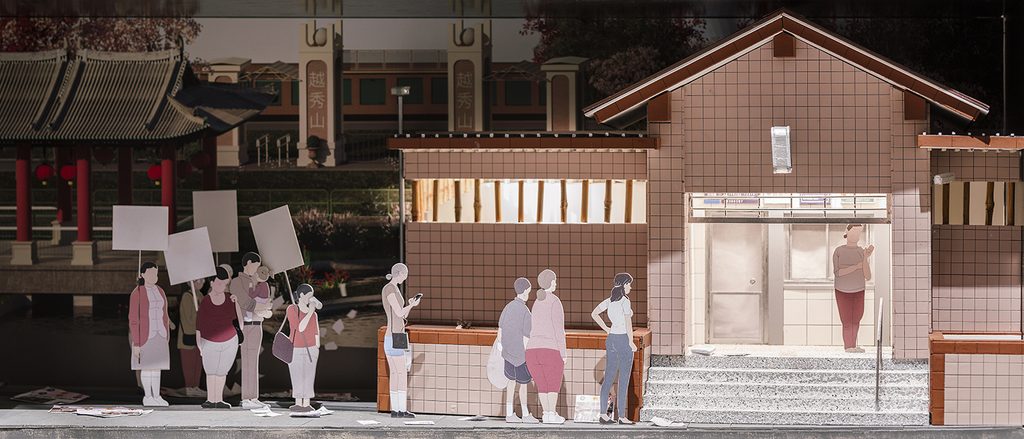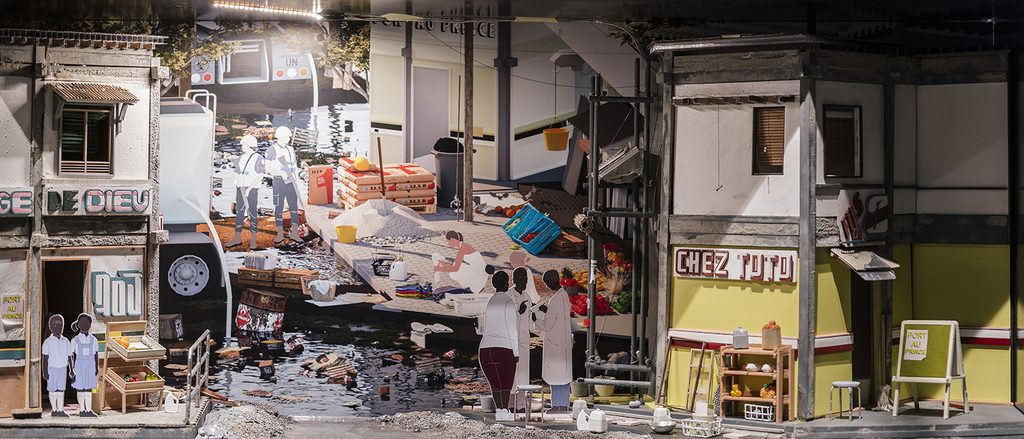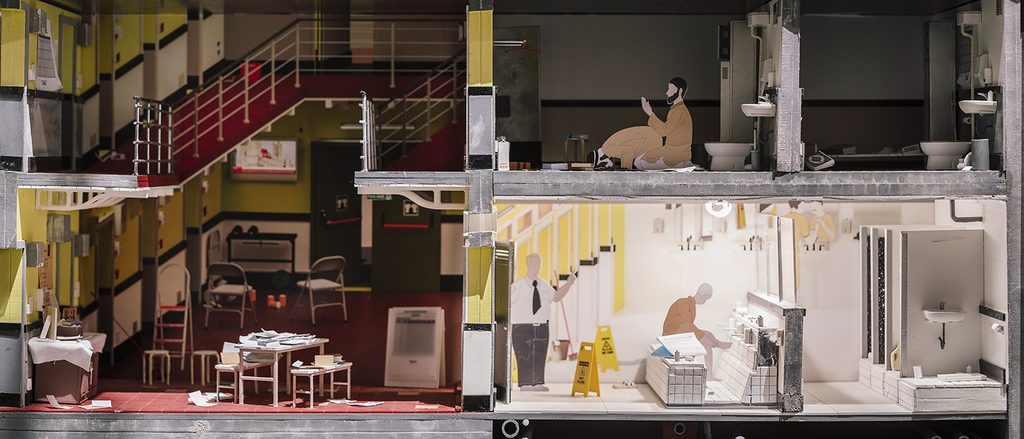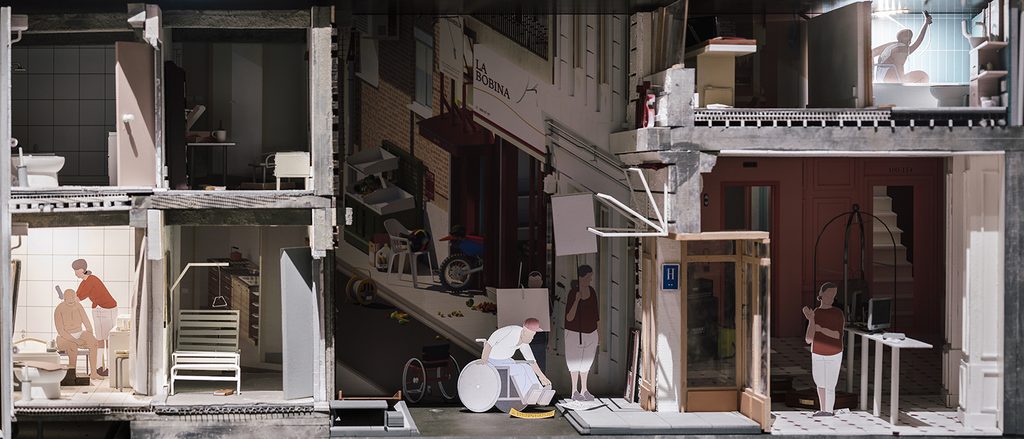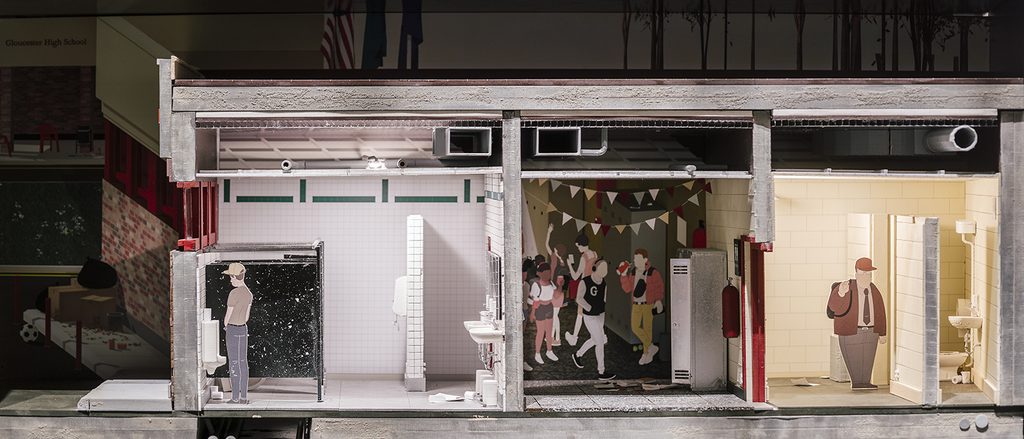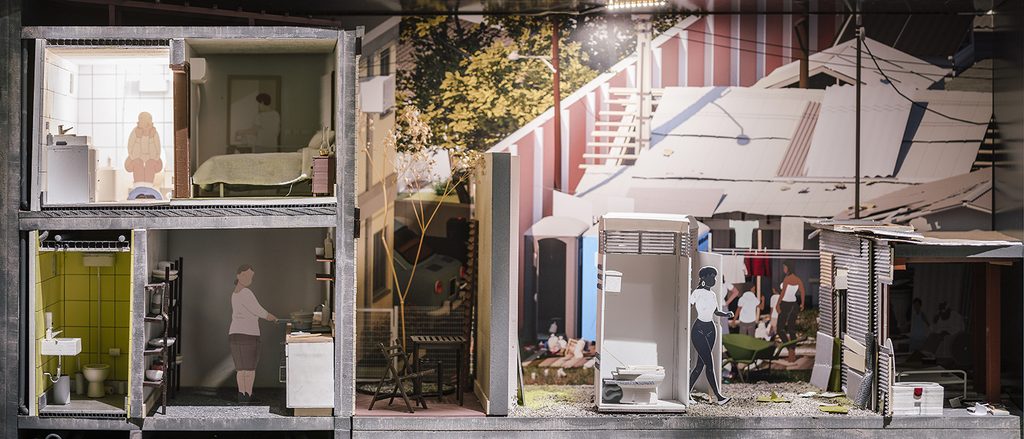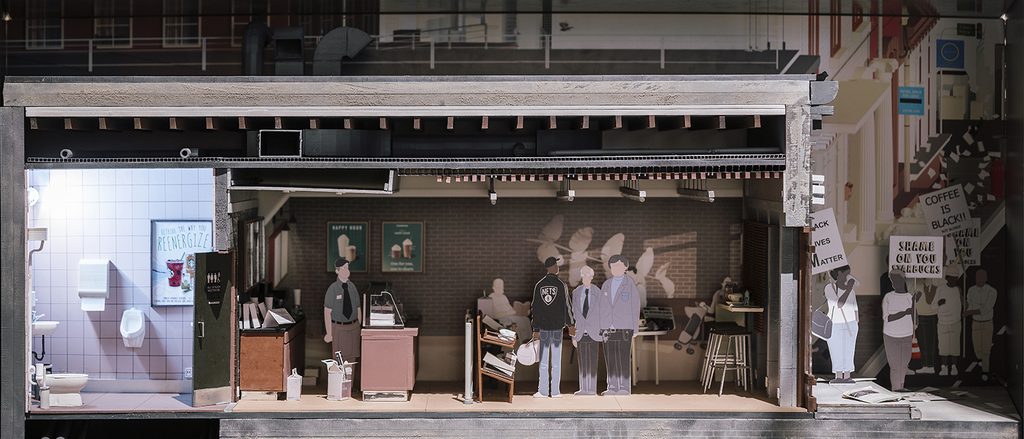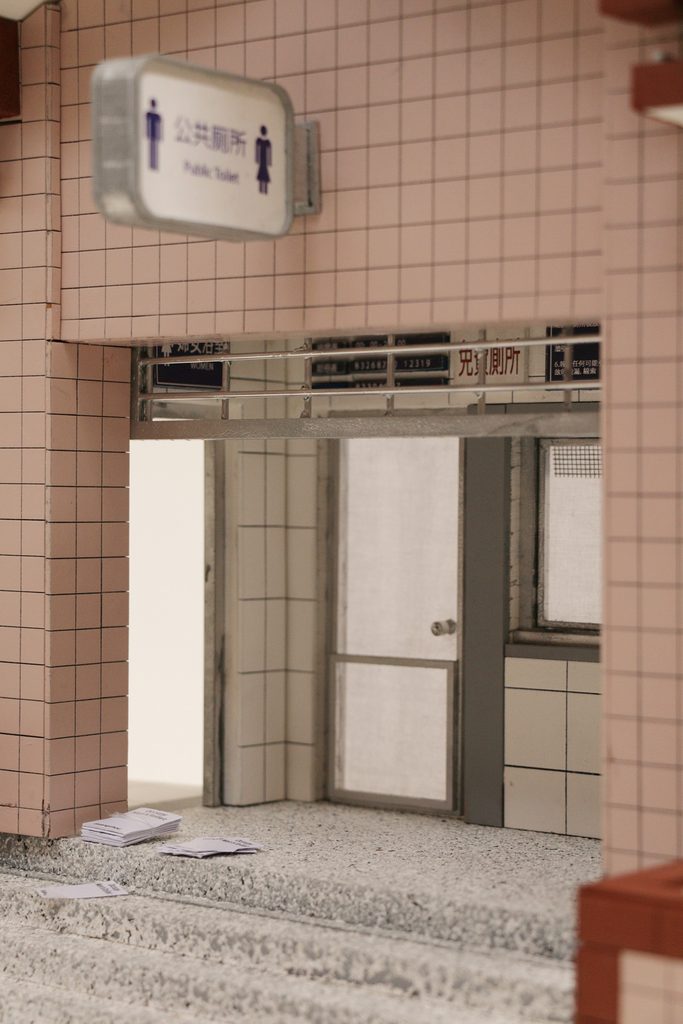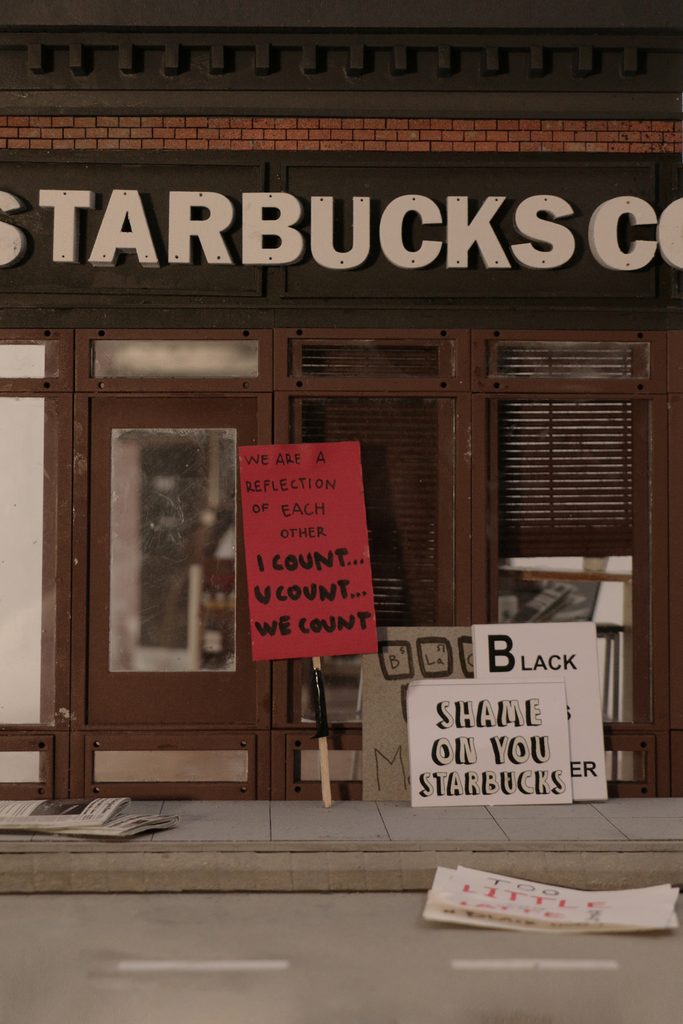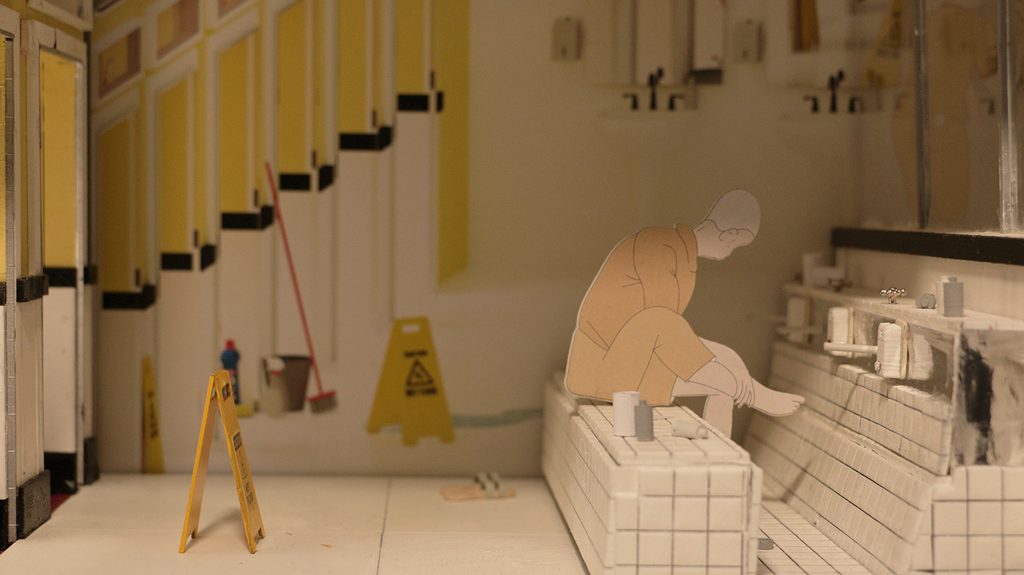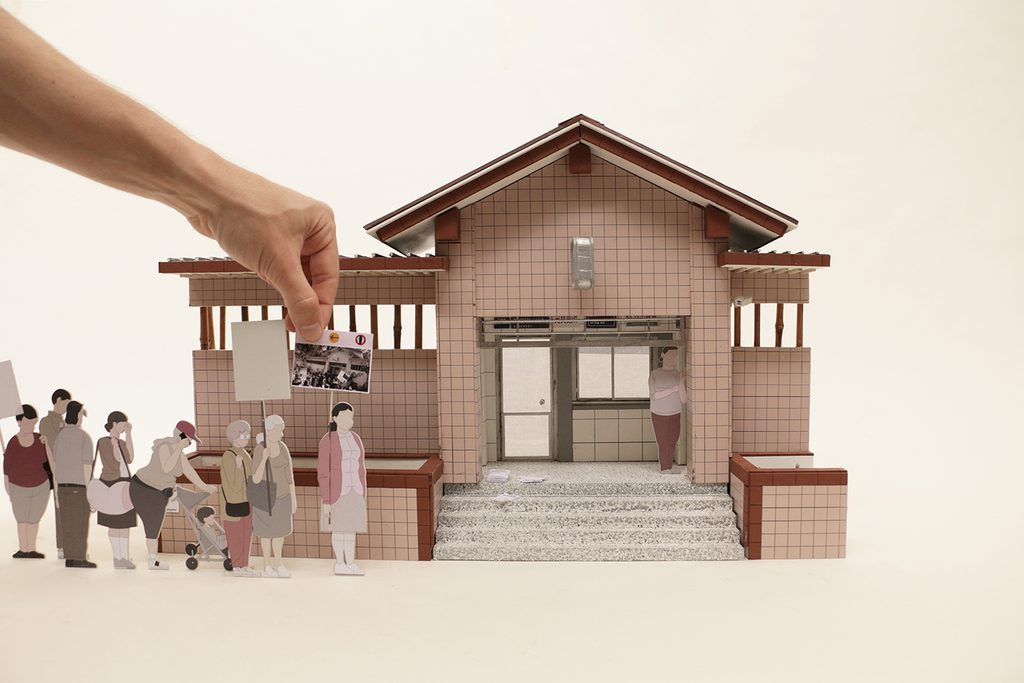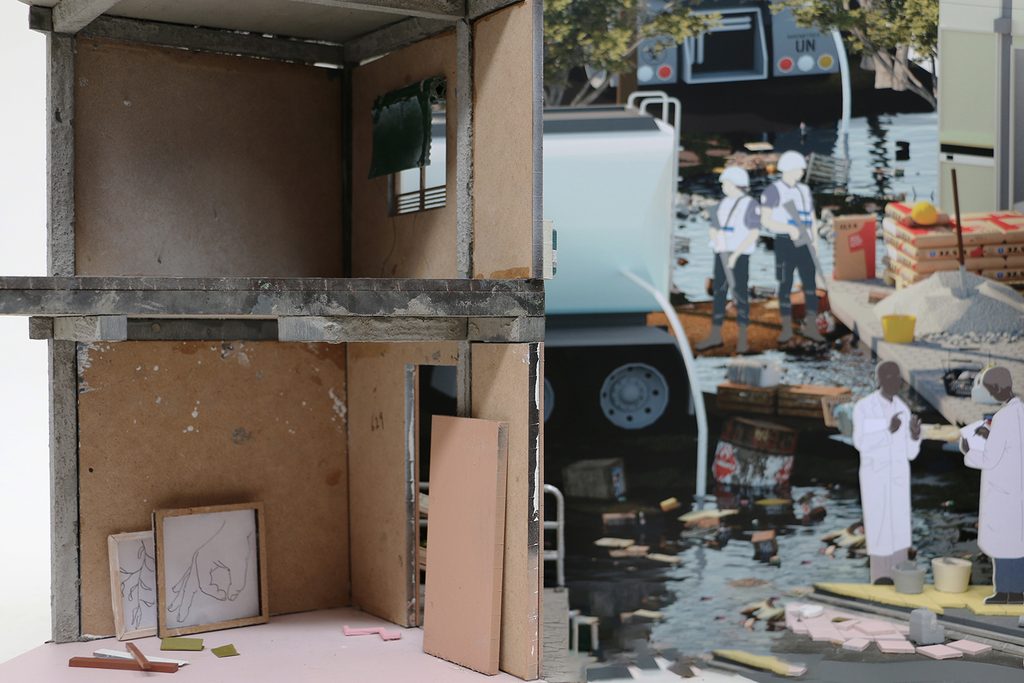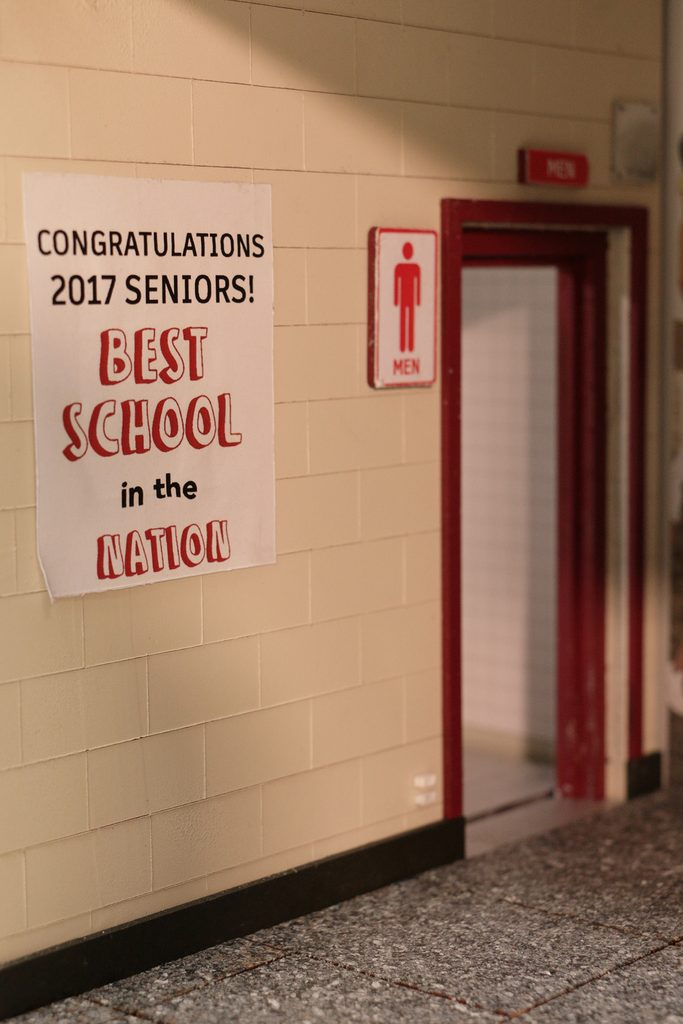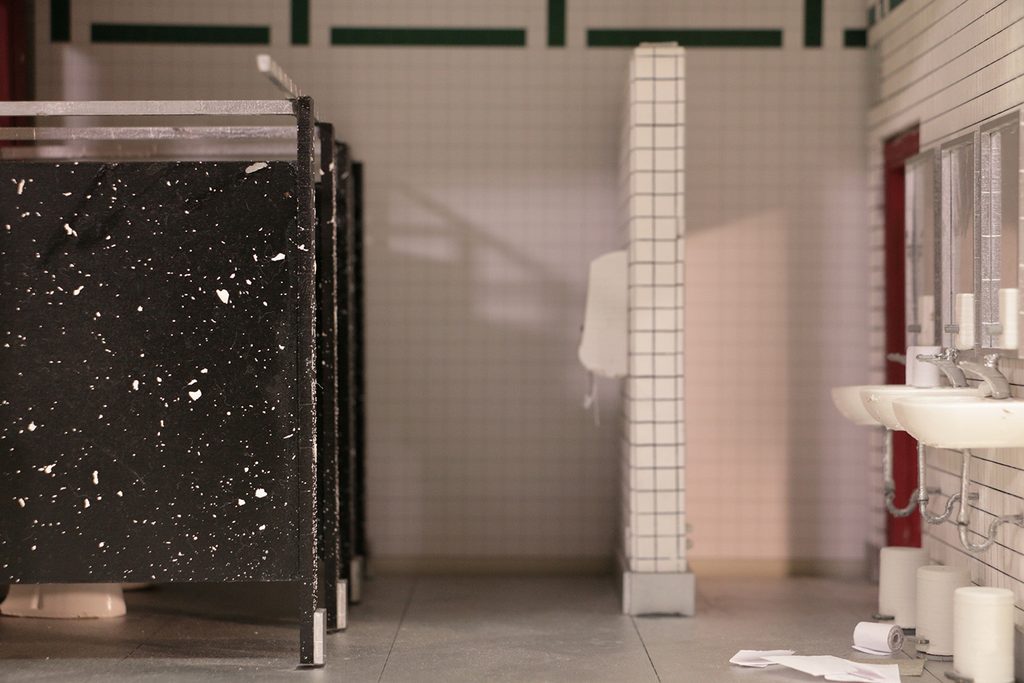
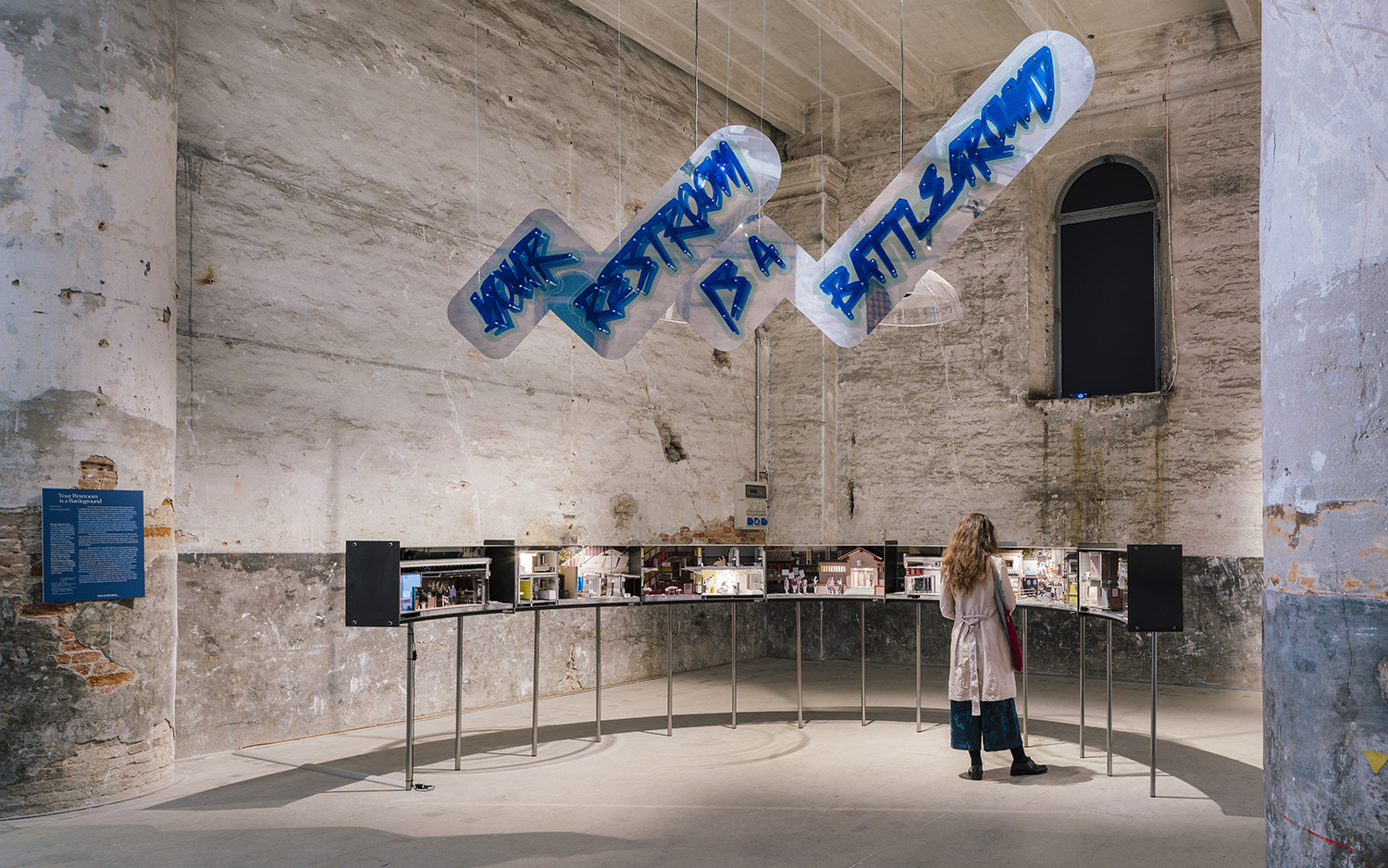
Restrooms are often described as mere utilitarian infrastructures catering to the universal needs of individuals. But they are contested spaces that both shape and are shaped by the ways bodies and communities come together. Restrooms are architectures where gender, religion, race, ability, hygiene, health, environmental concerns, and the economy are defined culturally and articulated materially. In recent years, the climate crisis, the COVID-19 pandemic, and the growing tensions arising from population displacements have brought these entanglements into sharper relief. Restrooms are not an isolated design problem but rather intertwined participants within larger disputes that can be mediated through architectural tools. Restrooms are political architectures, they are battlegrounds.