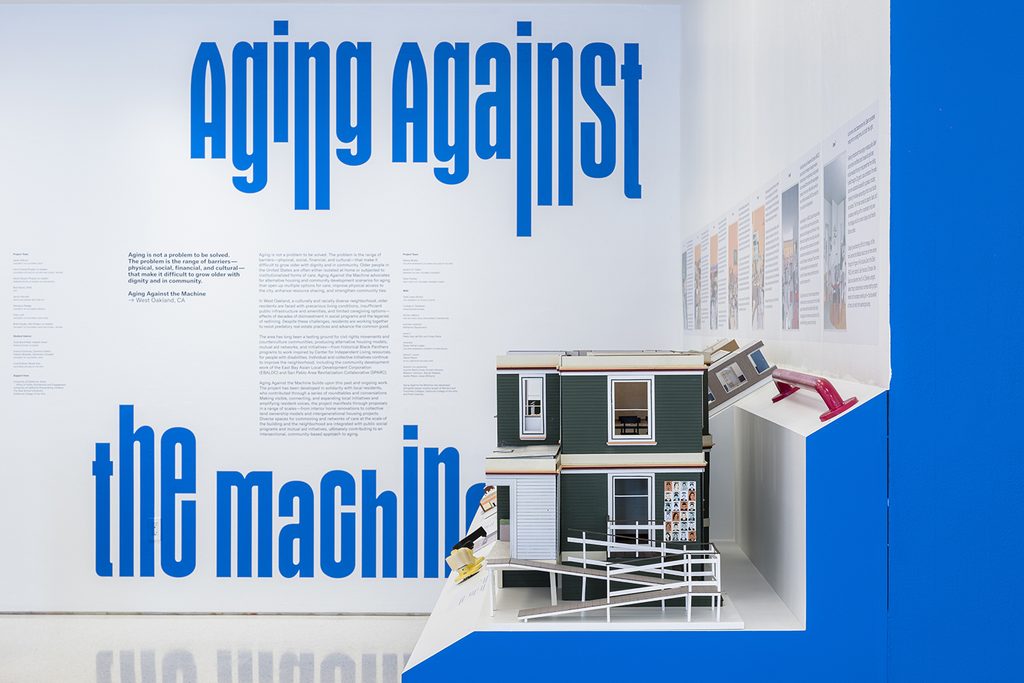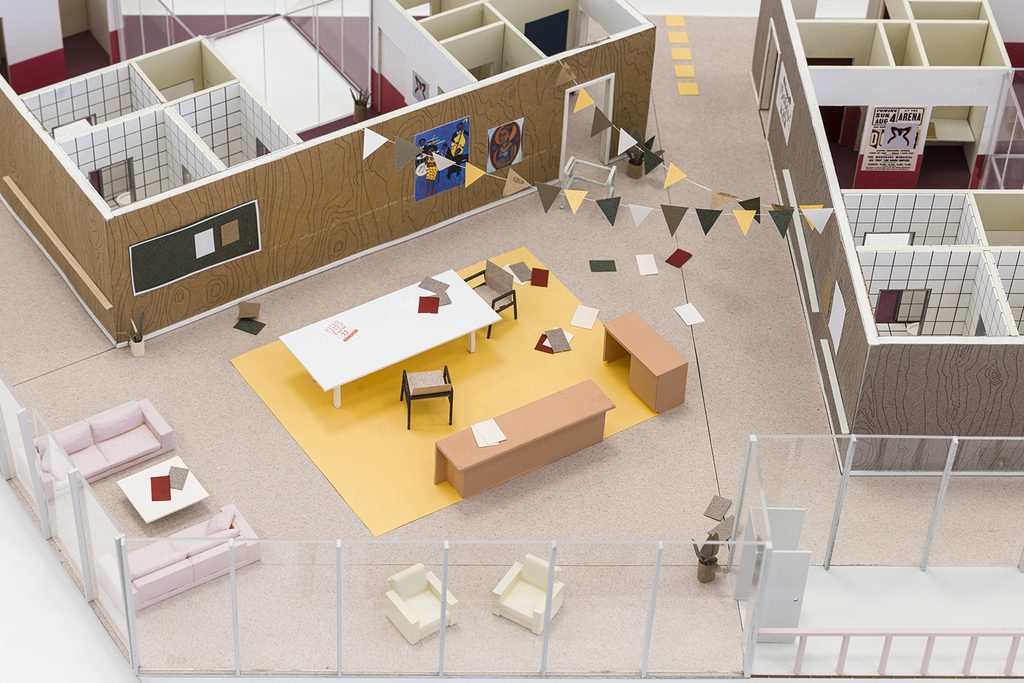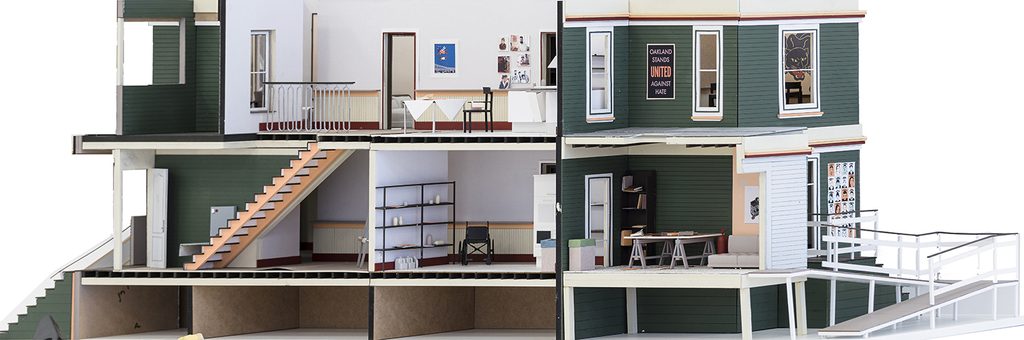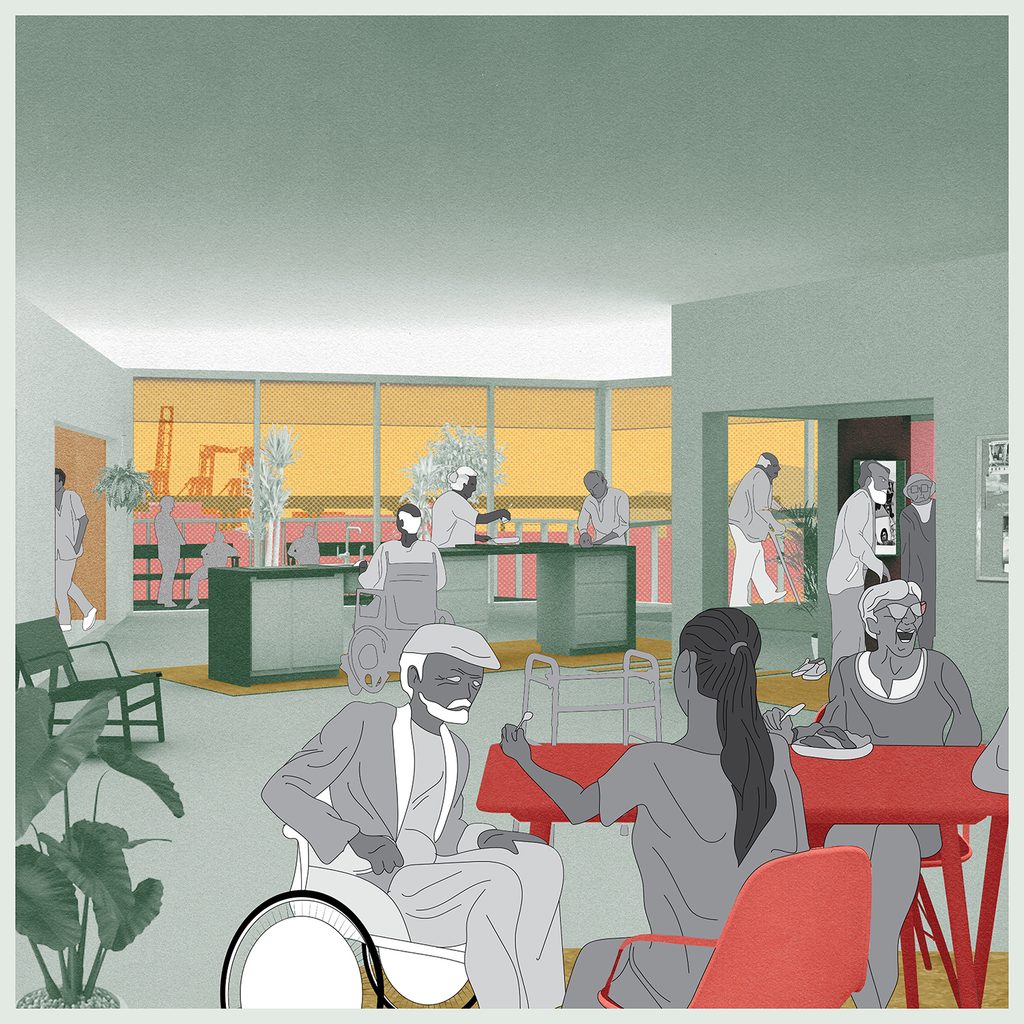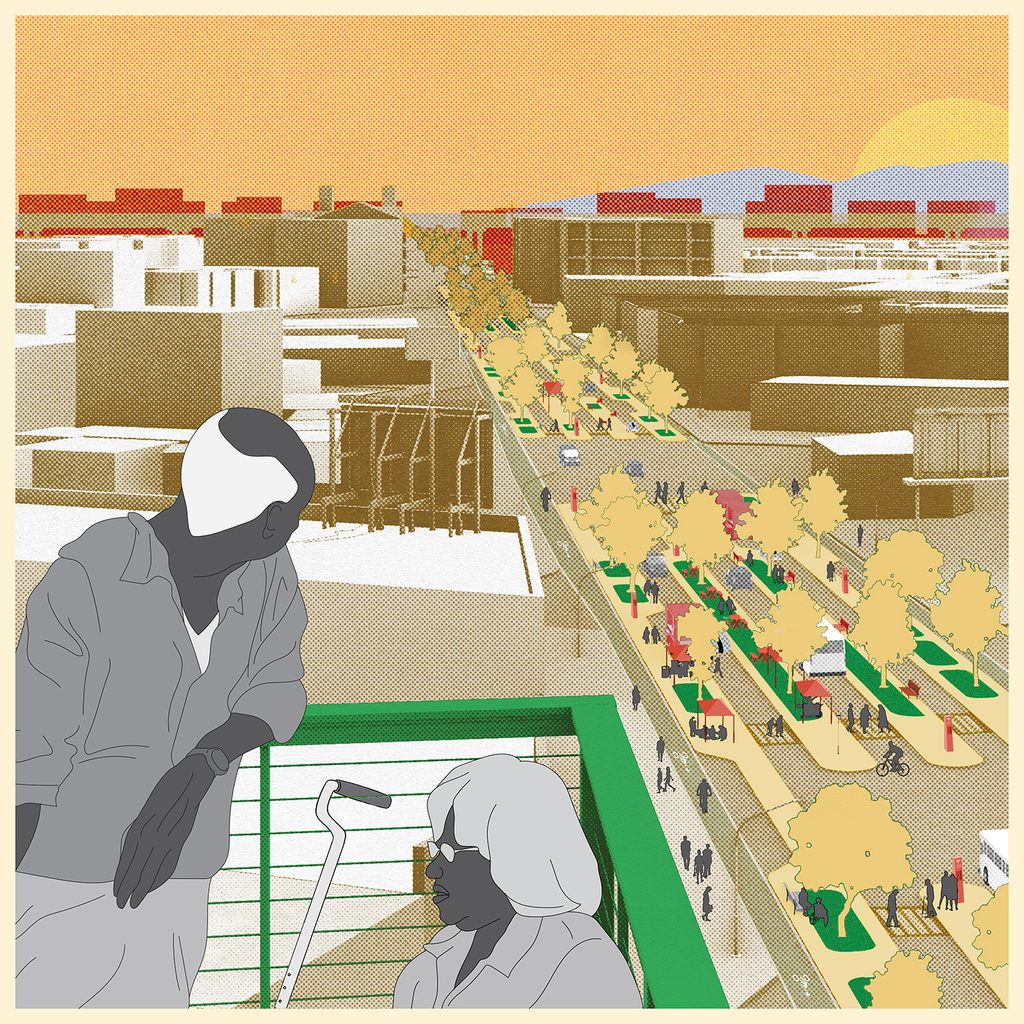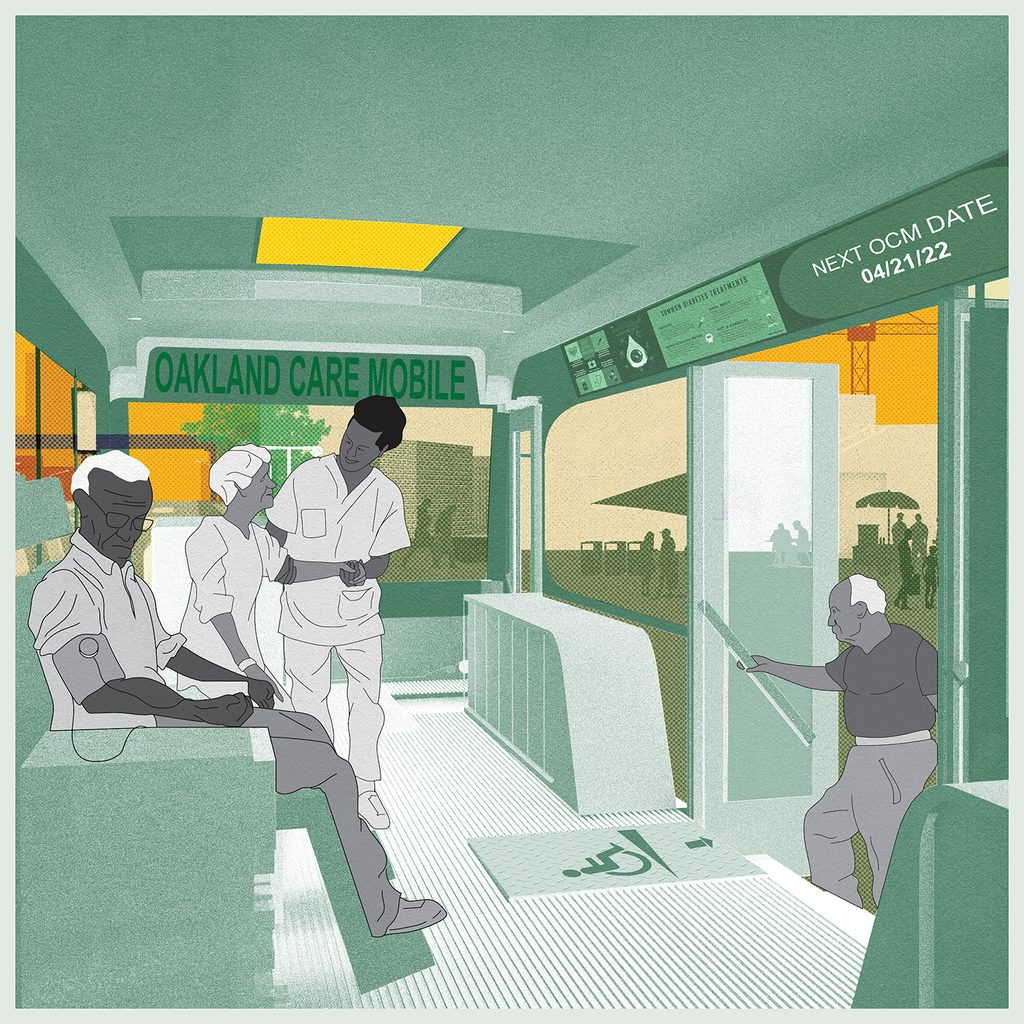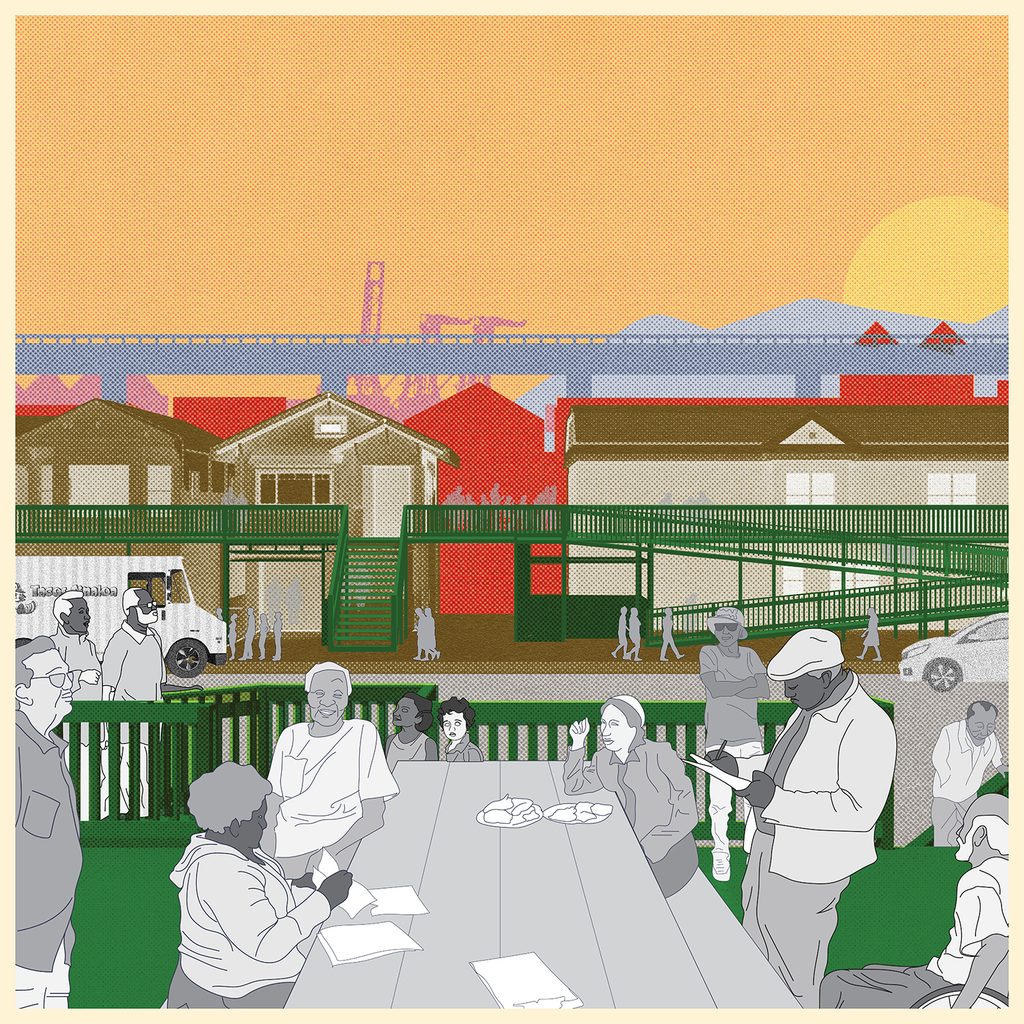
Aging is not a problem to be solved. The problem is the range of barriers—physical, social, financial, and cultural—that make it difficult to grow older with dignity and in community. Older people in the United States are often either isolated at home or subjected to institutionalized forms of care. Aging Against the Machine advocates for alternative housing and community development scenarios for aging that open up multiple options for care, improve physical access to the city, enhance resource sharing, and strengthen community ties.
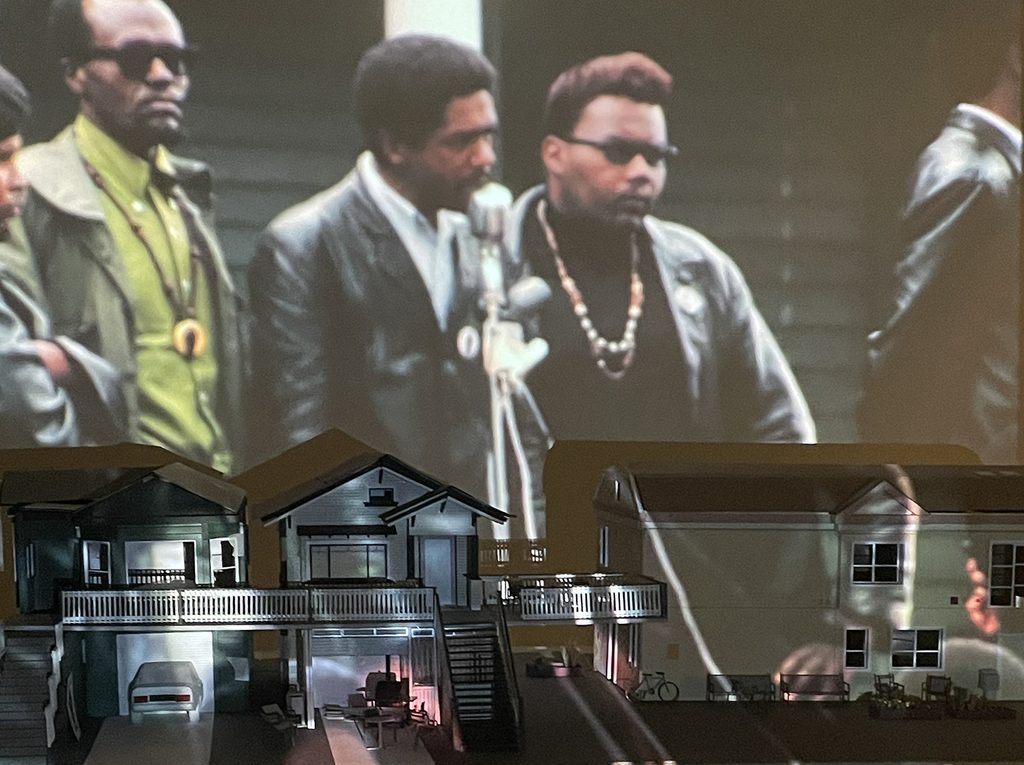
In West Oakland, a culturally and racially diverse neighborhood, older residents are faced with precarious living conditions, insufficient public infrastructure and amenities, and limited caregiving options as a result of decades of disinvestment in social programs and the legacies of redlining. Despite these challenges, residents are working together to resist predatory real estate practices and advance the common good. The area has long been a testing ground for civil rights movements and counterculture communities, producing alternative housing models, mutual aid networks, and individual and collective initiatives to improve the neighborhood—from historical Black Panthers programs and work inspired by Center for Independent Living resources for people with disabilities to the ongoing community development projects of the East Bay Asian Local Development Corporation, EBALDC, and San Pablo Area Revitalization Collaborative, SPARC.
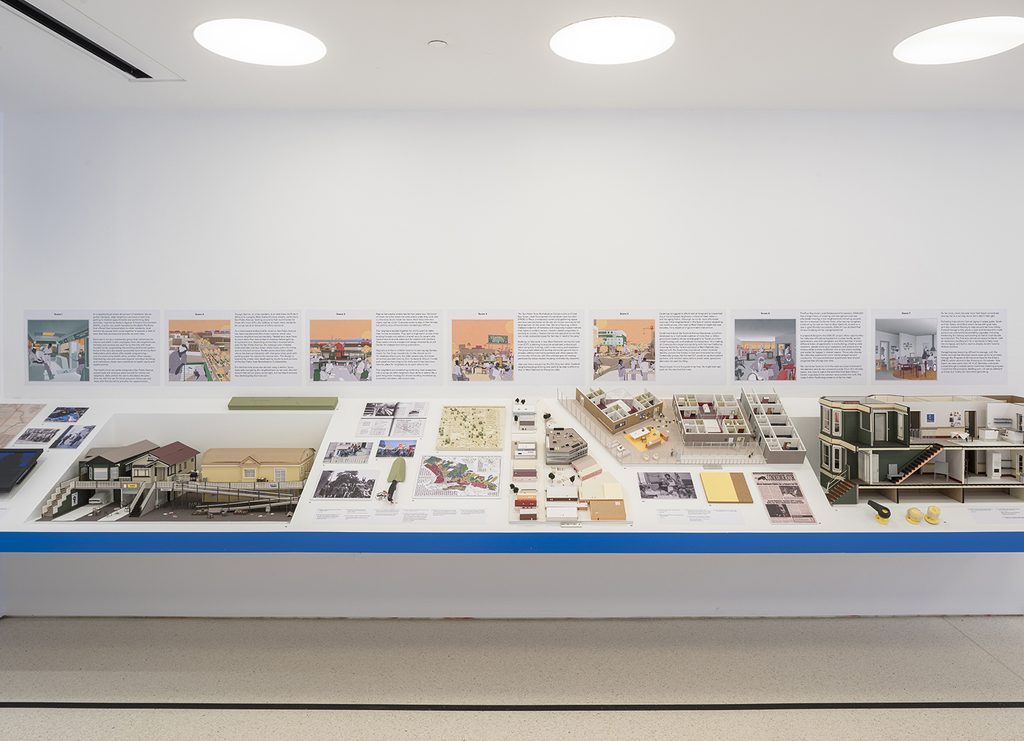
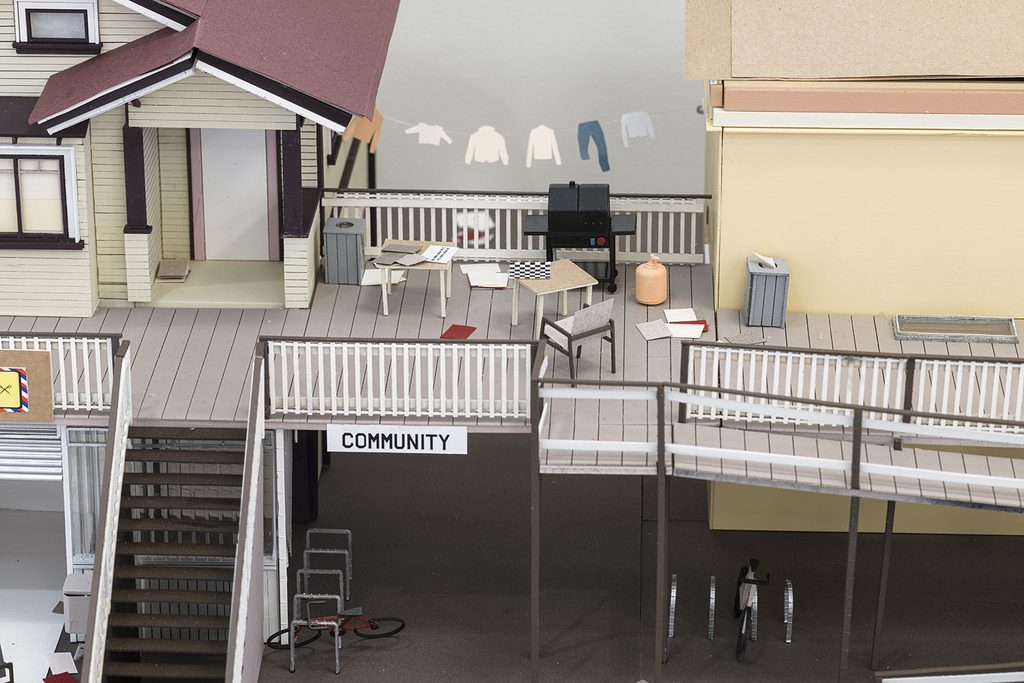
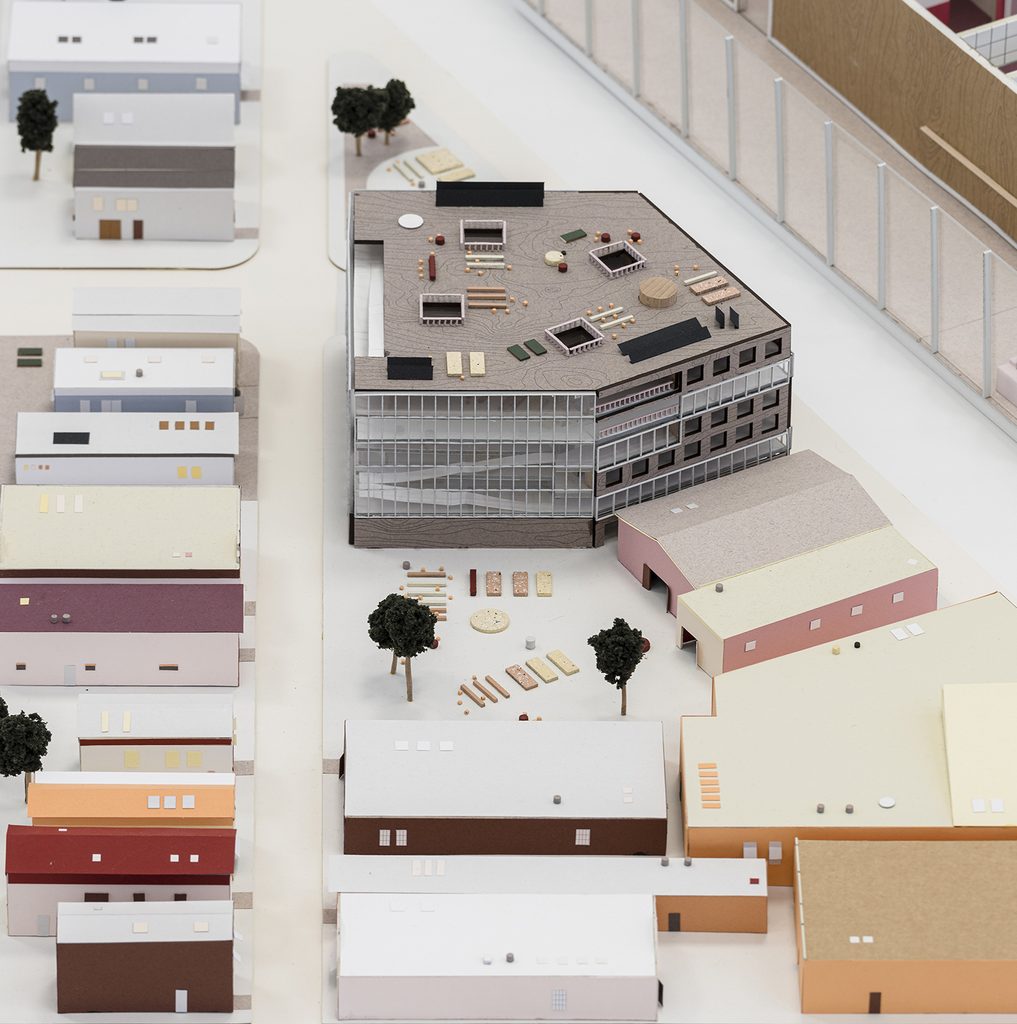
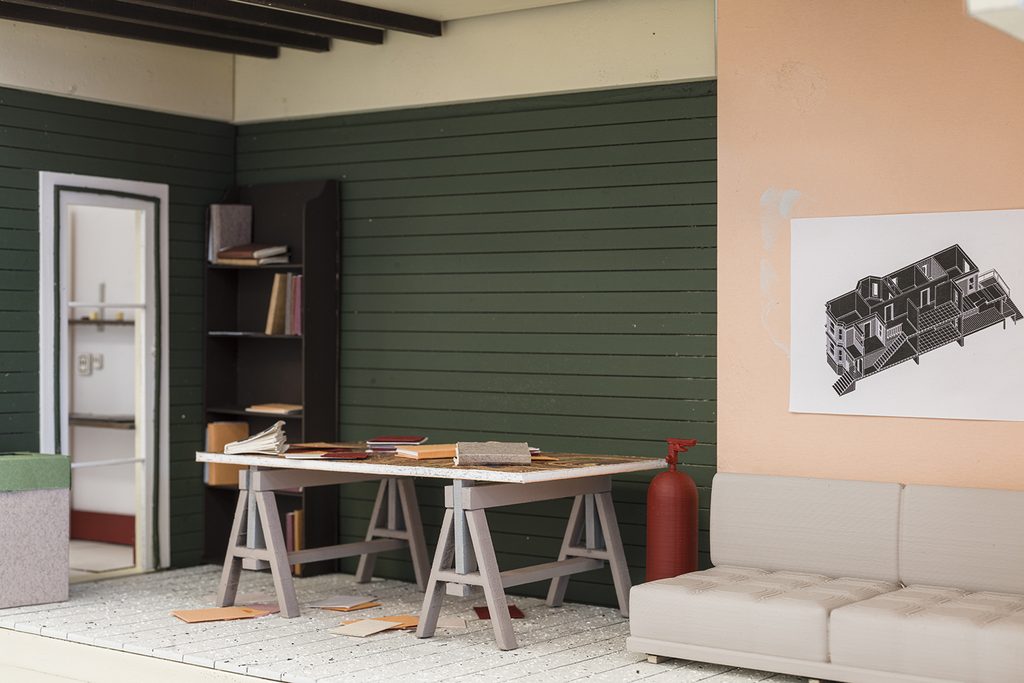
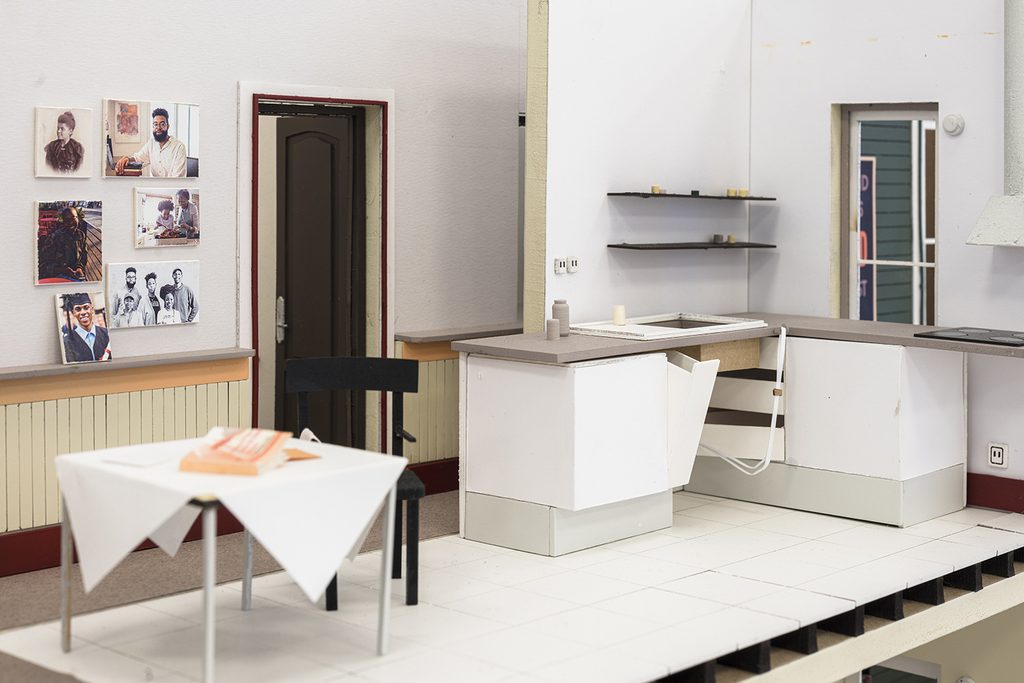
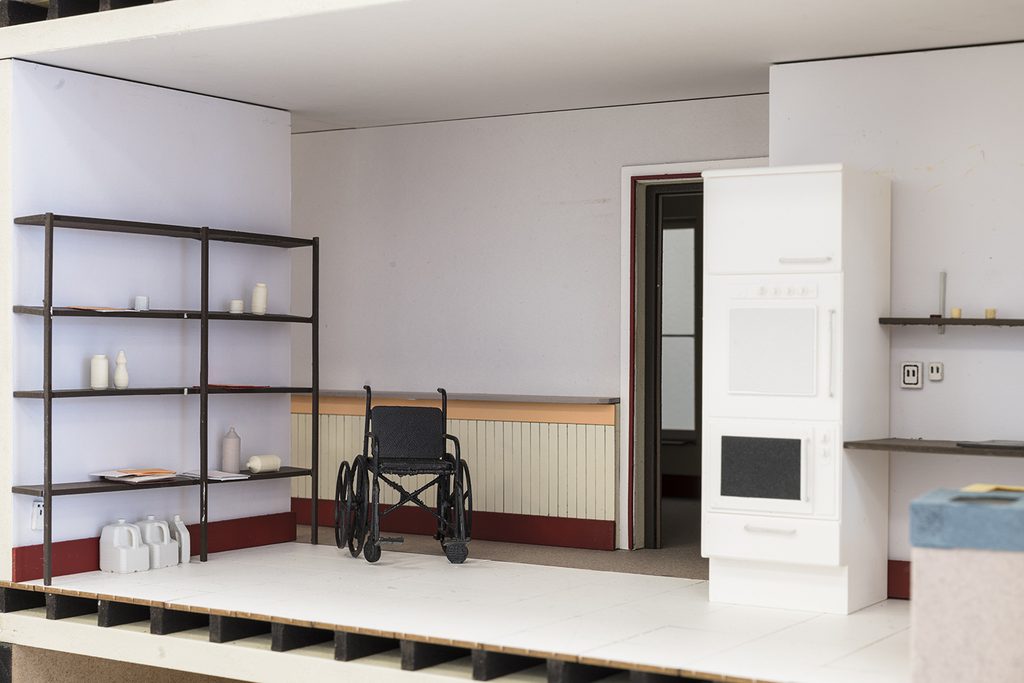
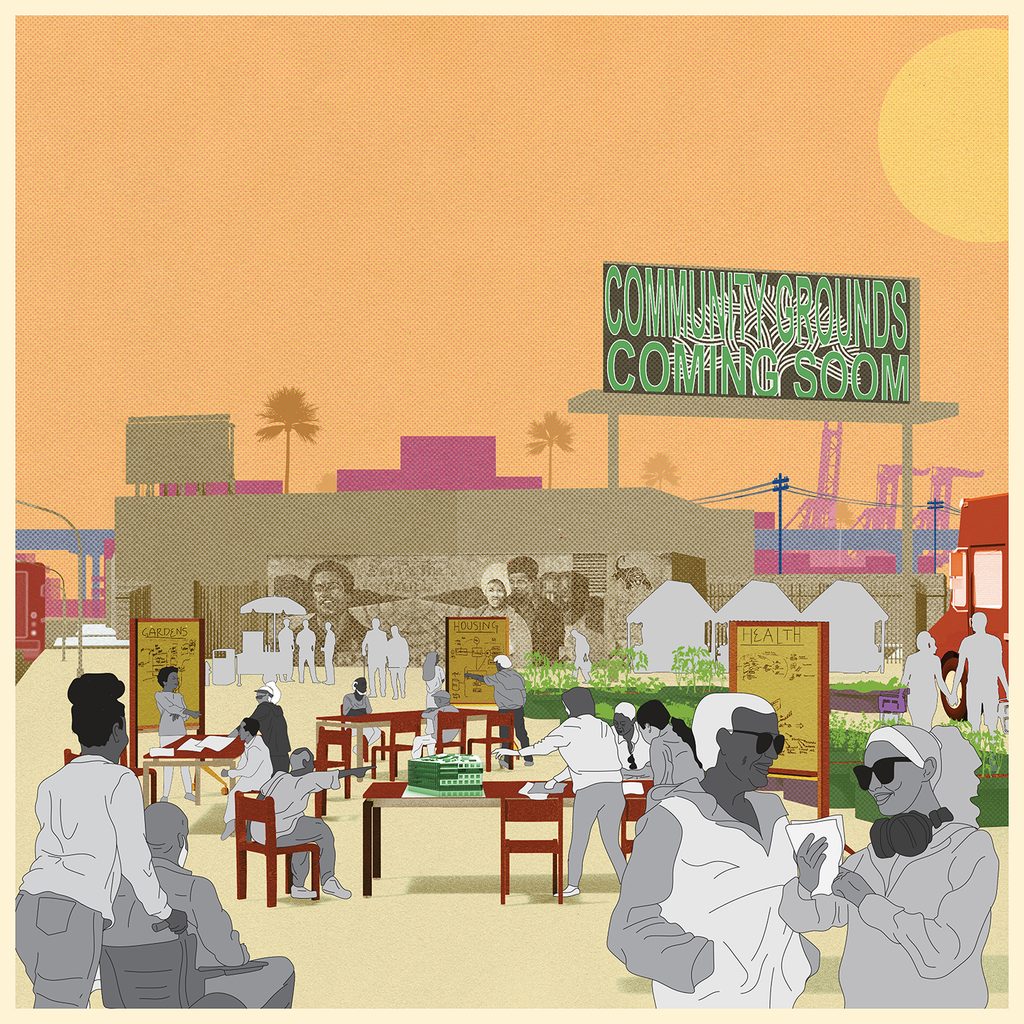
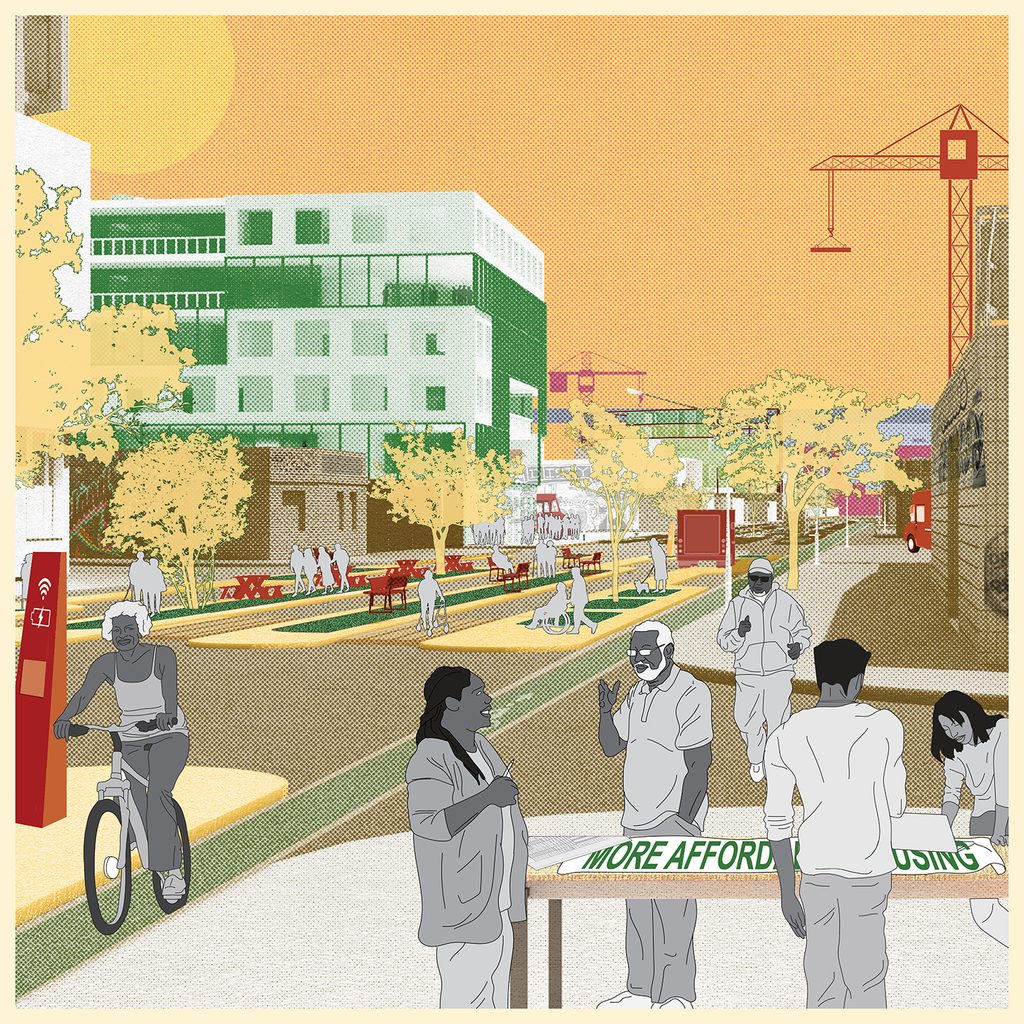
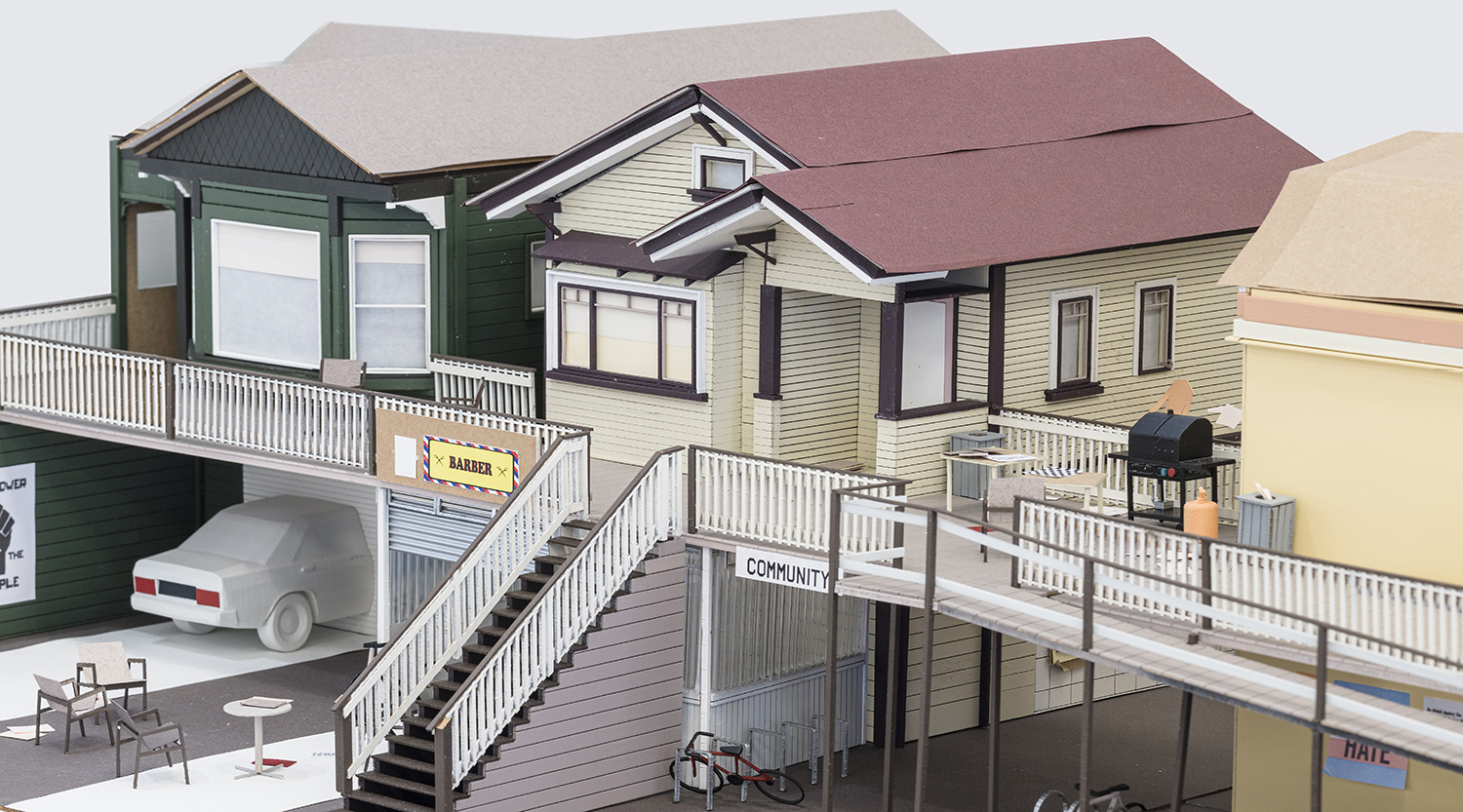
Making visible, connecting, and expanding these local initiatives, Aging Against the Machine has been developed in solidarity with local residents, who contributed through a series of roundtables and conversations that amplified their voices. The project includes design proposals in a range of scales, from interior home renovations to collective land ownership models and intergenerational housing projects. Diverse spaces for commoning and networks of care at the scale of the building and the neighborhood are integrated with public social programs and mutual aid initiatives, ultimately contributing to an intersectional, community-based approach to aging, manifest through different scenes.