
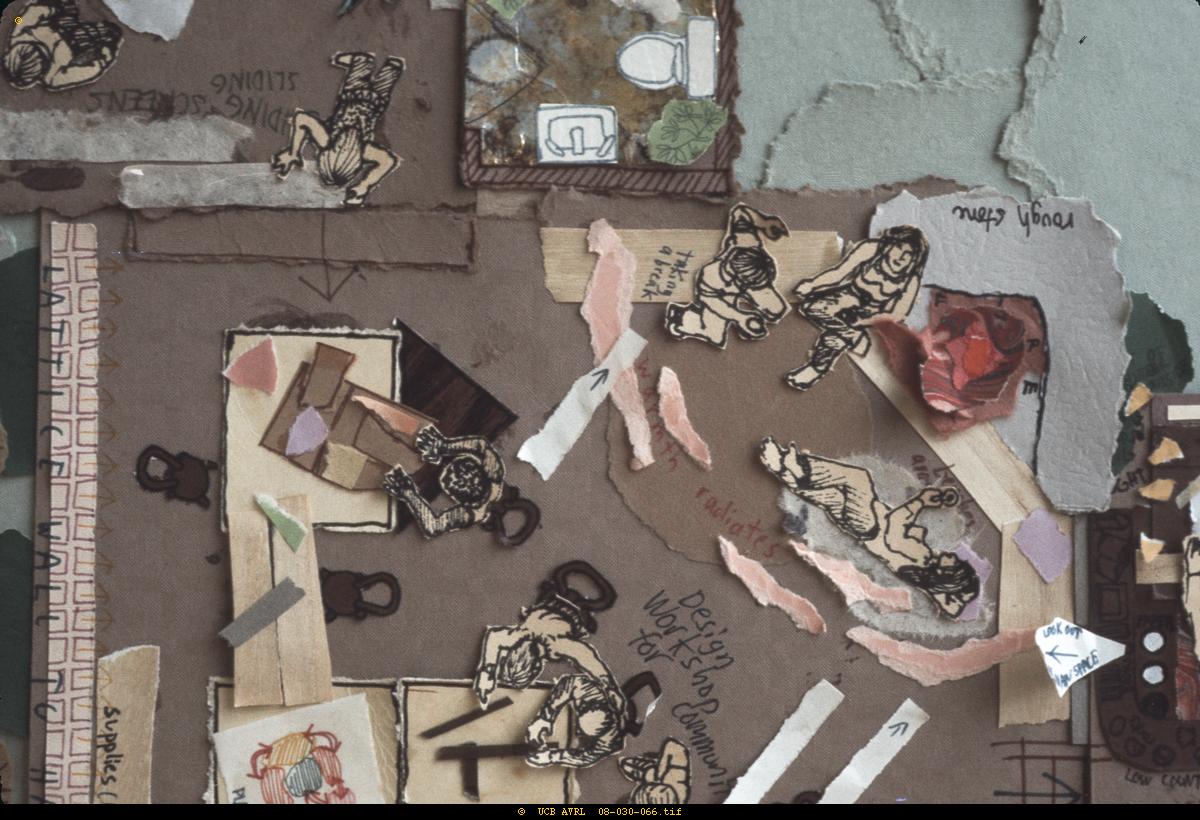
Disabled Domesticities is an ongoing research project exploring how, in the 1970s, disabled individuals in Berkeley contested their confinement in medical institutions and their isolation in the family household in order to live within the community with the support of diverse designs and social and material networks mediated by the Center of Independent Living (CIL). This research addresses how the ethos of the Independent Living movement, as it came to be known, unfolded against expectations of integration within the hegemonic domestic frameworks of the postwar United States. This research adds to existing scholarship on the CIL with an attentive reading of the geographies of housing that it rendered habitable through its programs, the households that disabled individuals transformed with their activist designs, and the disruptive forms of domesticity they made both possible and legible. I explore this transformation of housing in relation to a broader critique of the nuclear family household and its discriminatory forms of care and labor.
The book chapter “Disabled Domesticities and the Politics of Bathrooms: Architectural Enactments of Interdependence,” published in Architectures of Care: From the Intimate to the Common, advances one particular aspect of this transformation of households and domestic arrangements by exploring a number of bathrooms transformed by disabled individuals in their Berkeley homes. Drawing primarily on a contemporary ethnographic study edited by Ray Lifchez and Barbara Winslow, this chapter analyzes how bathrooms transformed by members of the Independent Living movement contributed to advancing new practices of interdependence, alternative social forms, and the politics of residence.