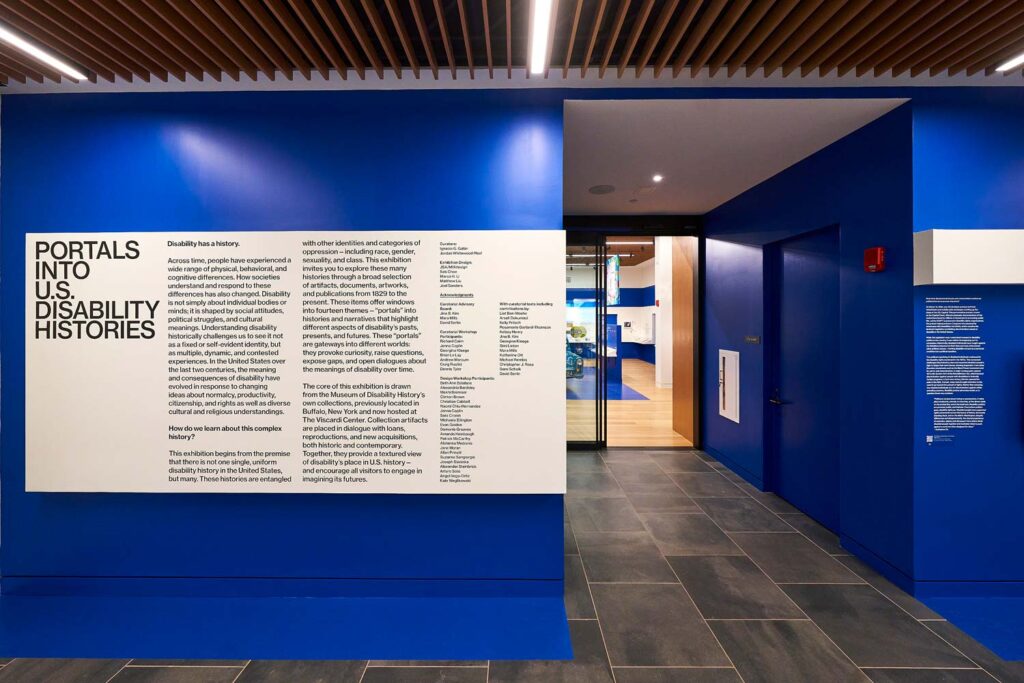
Disability has a history. Across time, people have experienced a wide range of physical, behavioral, and cognitive differences. How societies understand and respond to these differences has also changed. Disability is not simply about individual bodies or minds; it is shaped by social attitudes, political struggles, and cultural meanings. Understanding disability historically challenges us to see it not as a fixed or self-evident identity, but as multiple, dynamic, and contested experiences. In the United States over the last two centuries, the meaning and consequences of disability have evolved in response to changing ideas about normalcy, productivity, citizenship, and rights as well as diverse cultural and religious understandings.
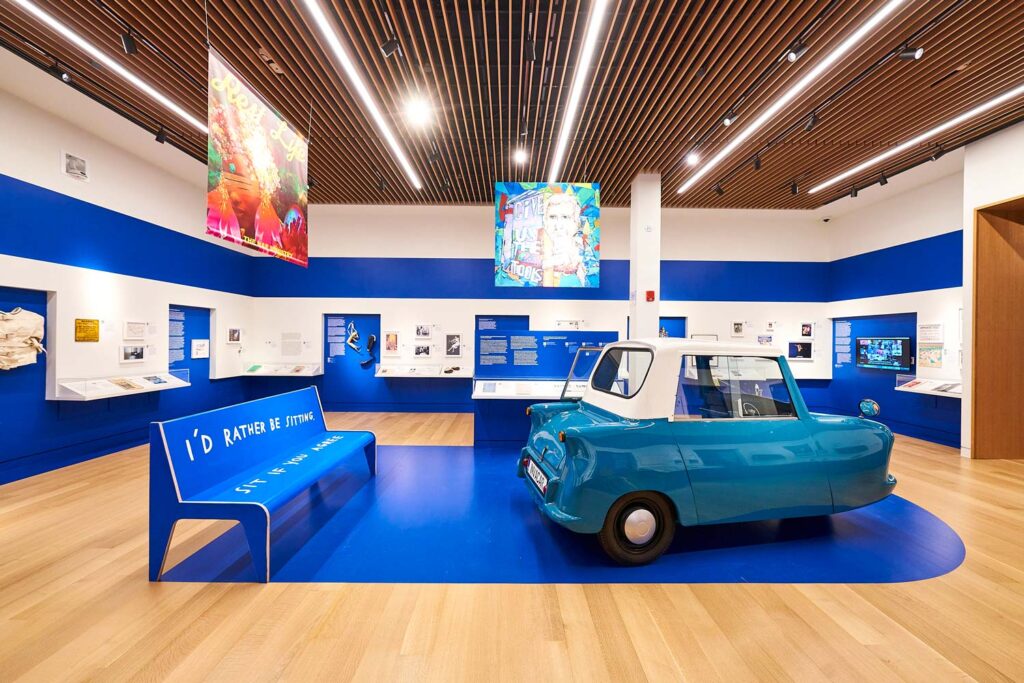
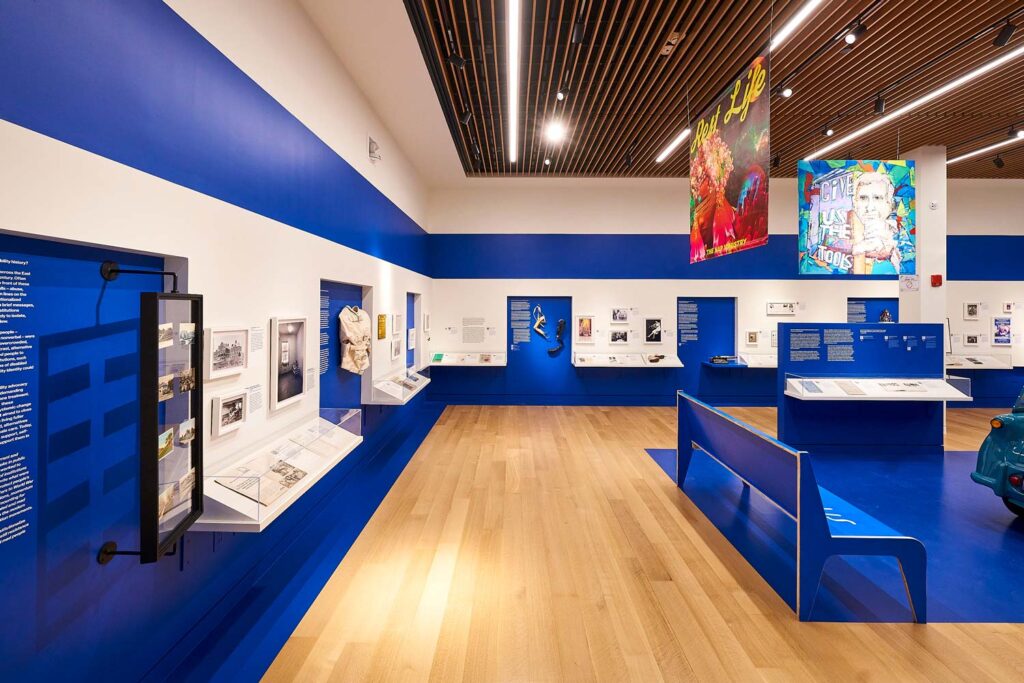
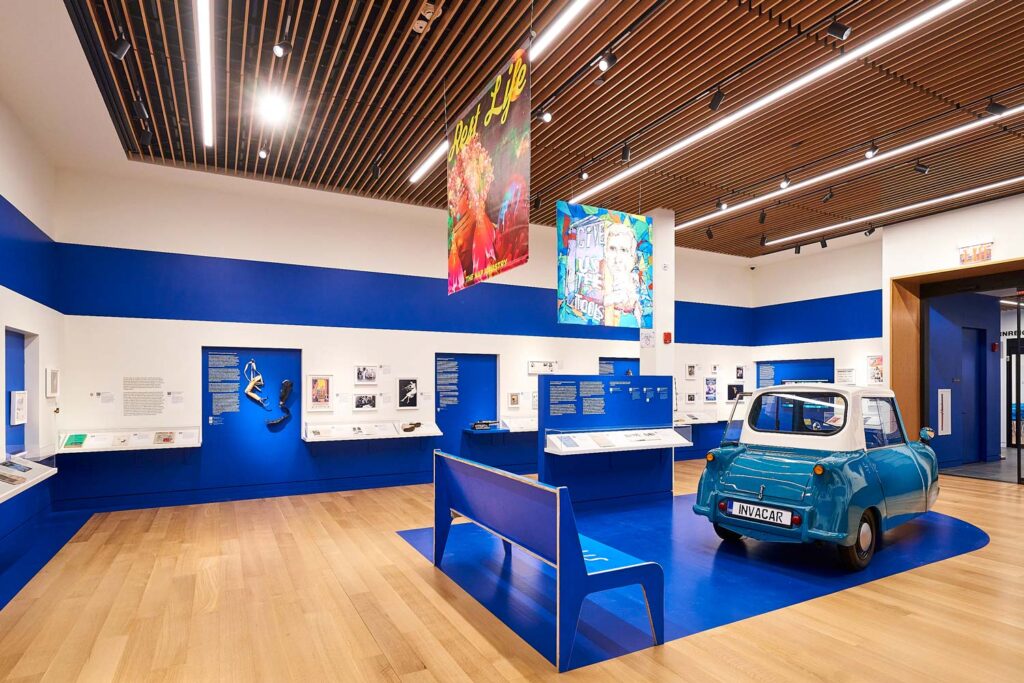
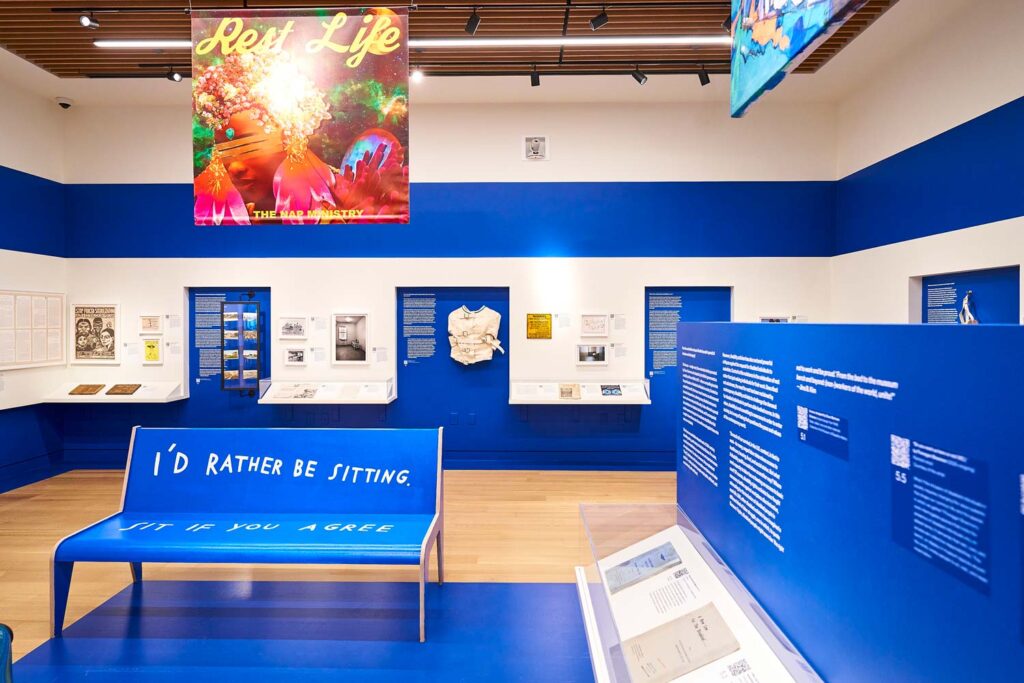
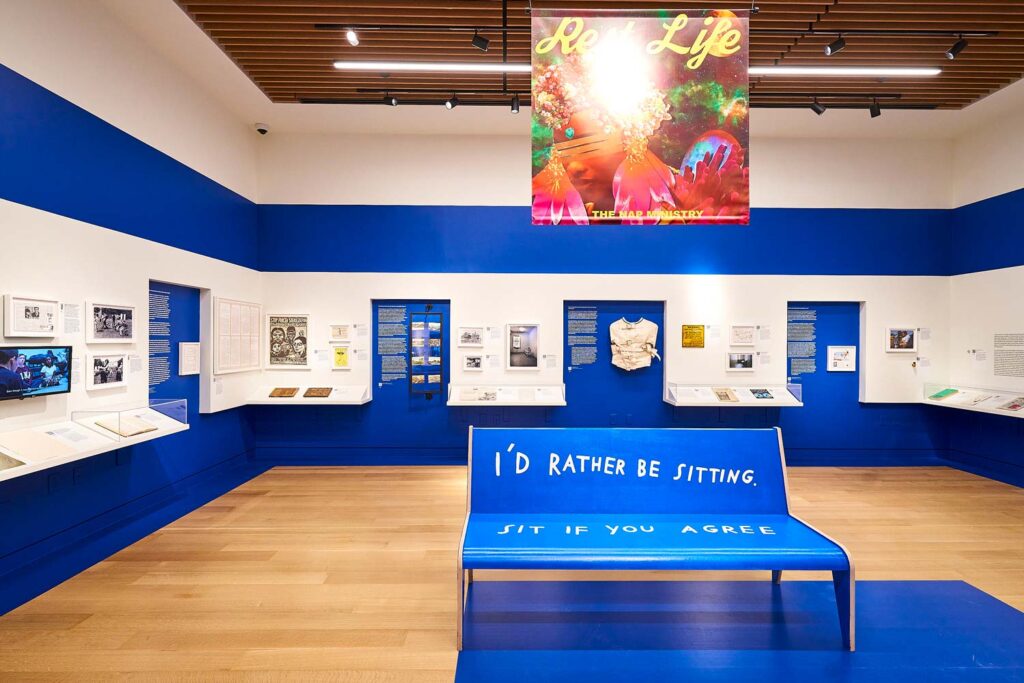
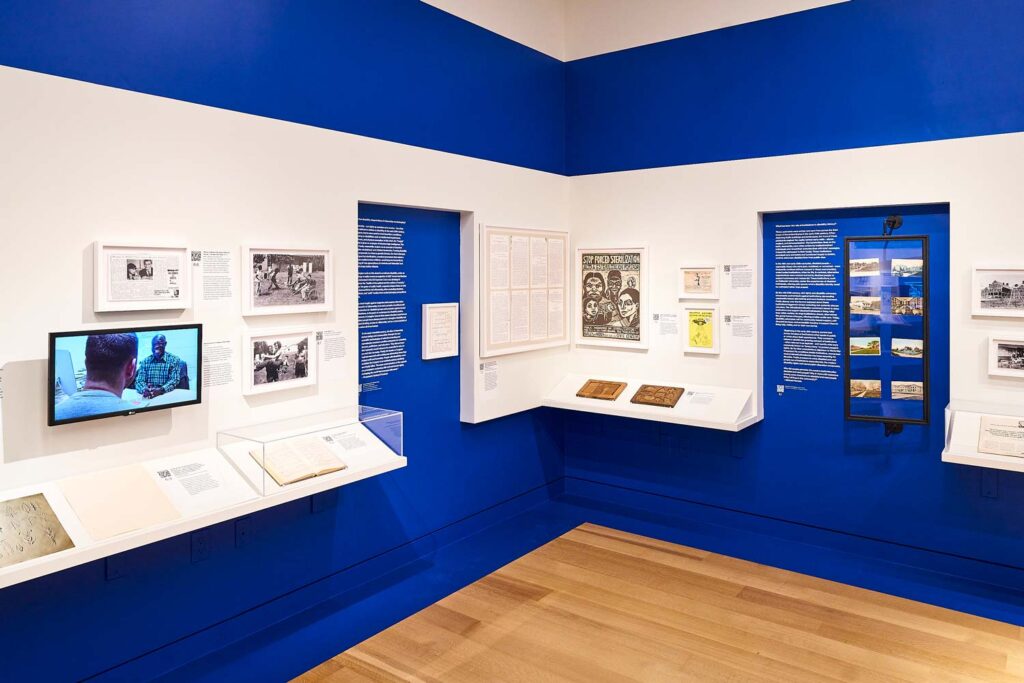
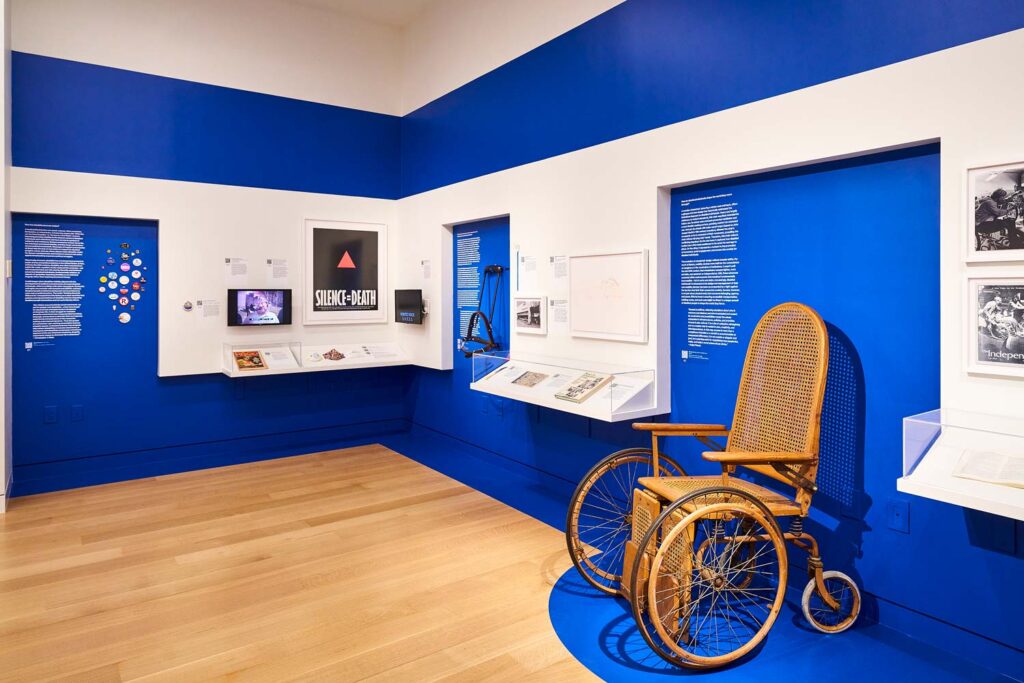
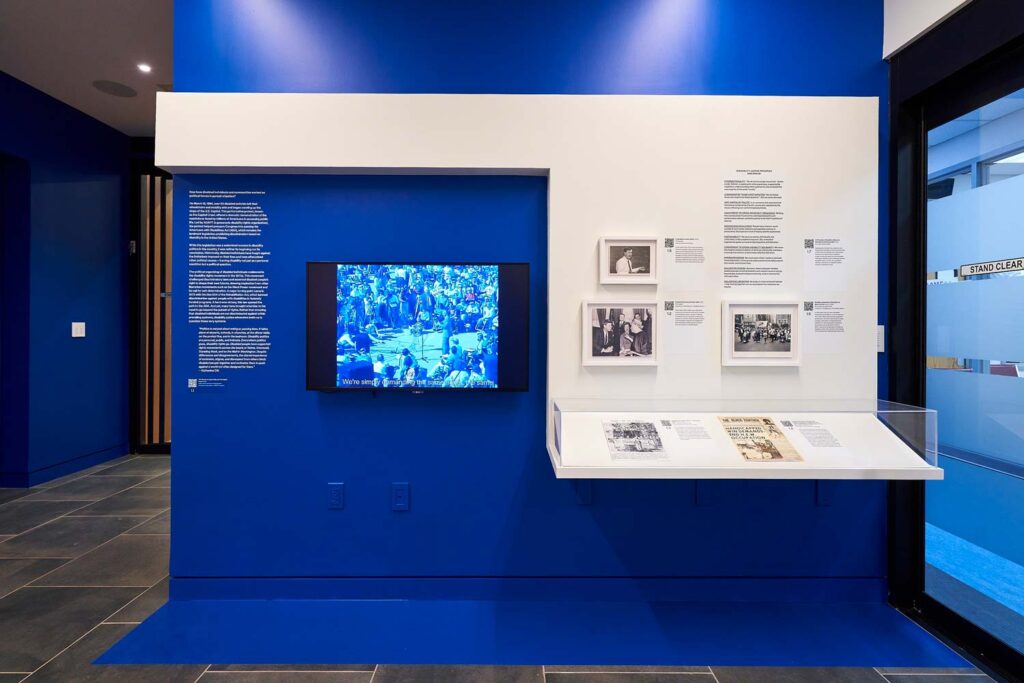
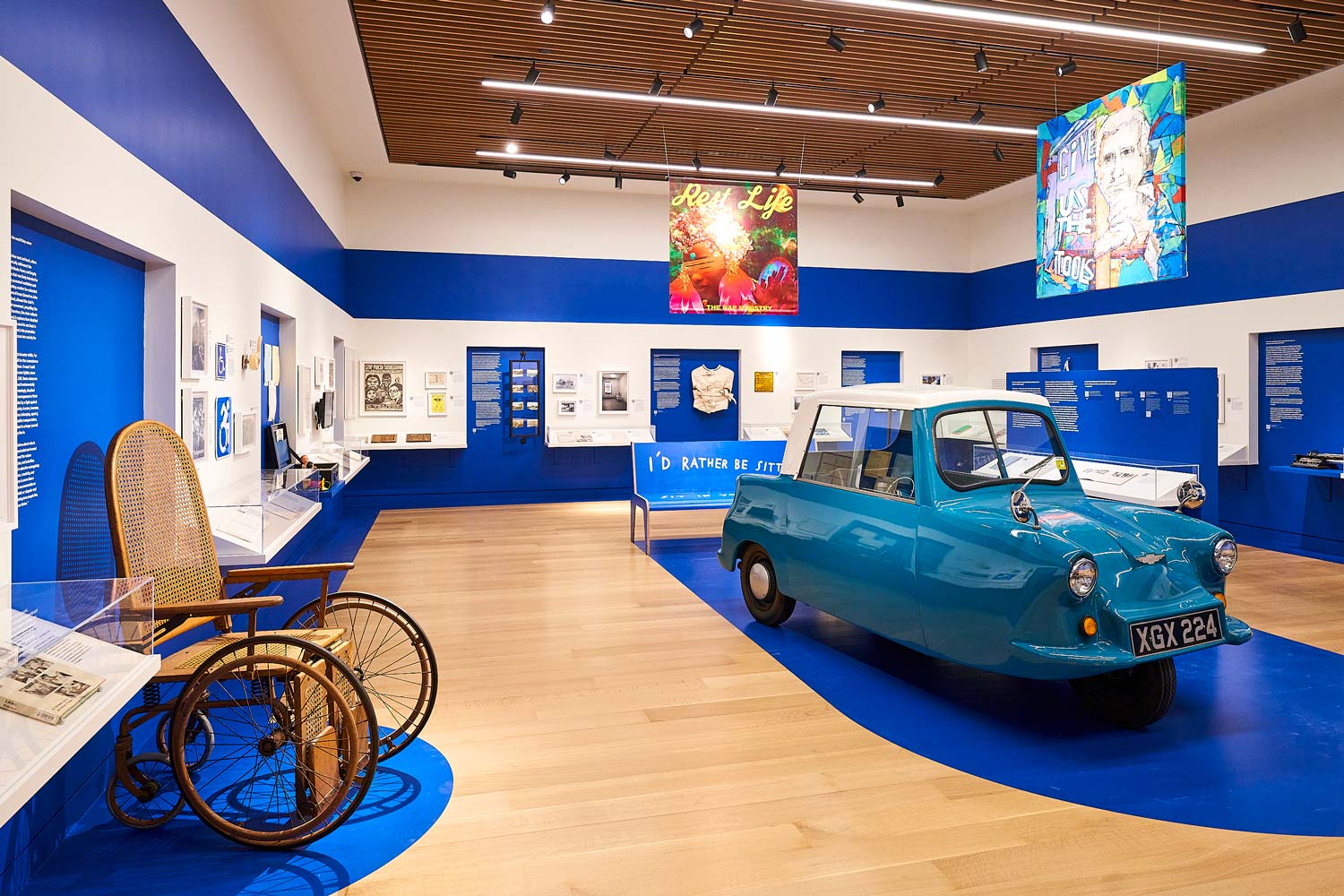
How do we learn about this complex history? This exhibition begins from the premise that there is not one single, uniform disability history in the United States, but many. These histories are entangled with other identities and categories of oppression—including race, gender, sexuality, and class. This exhibition invites you to explore these many histories through a broad selection of artifacts, documents, artworks, and publications from 1829 to the present. These items offer windows into fourteen themes—“portals” into histories and narratives that highlight different aspects of disability’s pasts, presents, and futures. These “portals” are gateways into different worlds: they provoke curiosity, raise questions, expose gaps, and open dialogues about the meanings of disability over time.
The core of this exhibition is drawn from the Museum of Disability History’s own collections, previously located in Buffalo, New York and now hosted at The Viscardi Center. Collection artifacts are placed in dialogue with loans, reproductions, and new acquisitions, both historic and contemporary. Together, they provide a textured view of disability’s place in U.S. history—and encourage all visitors to engage in imagining its futures.